
Introduction
In today’s digital age, it’s no longer a question of whether businesses should have an online presence—it’s a question of how strong that presence is. According to Statista, there were 5.52 billion internet users worldwide as of October 2024. This number amounts to a staggering 67.5 percent of the global population! This spike in internet usage makes digital marketing a powerful tool that can make or break a business.
Digital marketing is the use of online platforms and strategies to connect with customers, promote products, and build brand awareness. In a world where competition is fierce, understanding the necessity of digital marketing can significantly elevate your business above others.
1. The Growing Importance of Online Presence
According to Josh Kaufman, marketing involves finding “prospects” – people who might be interested in buying your product. In other words, marketing efforts must focus on gaining the attention of customers. But before we can find customers, we need to understand them.
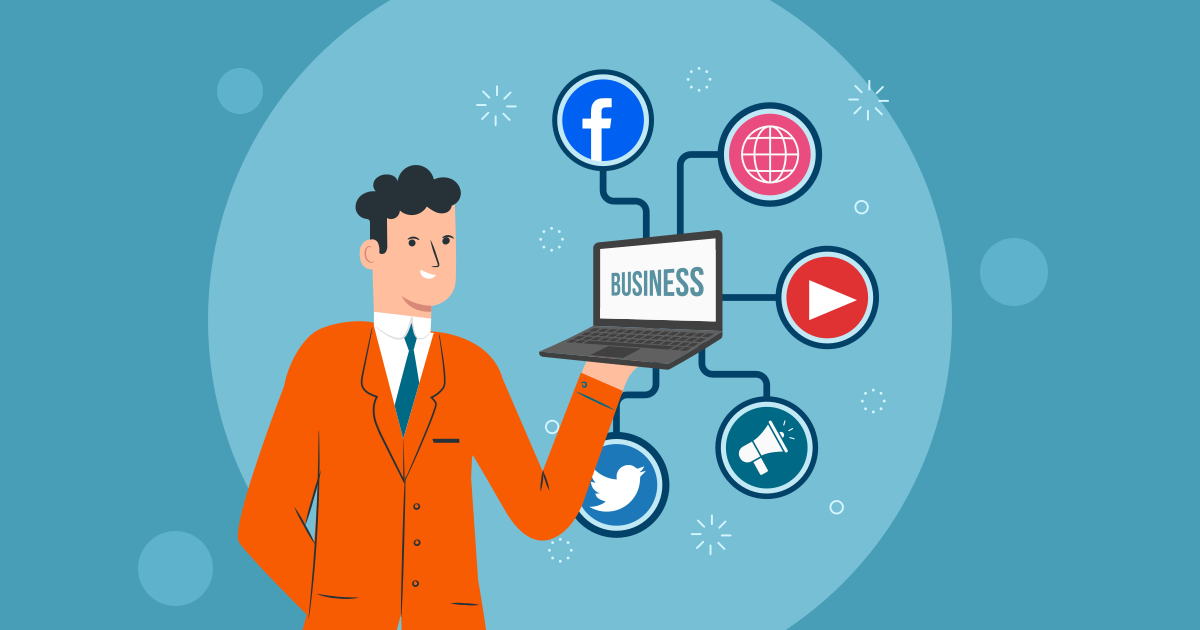
Customer behavior has changed dramatically in recent years, with more people than ever turning to the internet to find products and services. Having an online presence isn’t just about having a website anymore—it’s about being visible wherever your customers are looking, from search engines like Google to social media platforms like Facebook, Instagram, or LinkedIn. Businesses that are online are better positioned to capture the attention of potential customers who are searching for solutions in real-time.
A strong online presence not only helps build credibility but also gives businesses the ability to interact with customers directly. Imagine a potential customer looking for your product—if they can’t find you online, you’re missing out on an opportunity to connect and gain their trust. Ultimately, a digital presence is crucial in establishing your brand as an authority in your industry.
2. Cost-Effectiveness Compared to Traditional Marketing
One of the biggest advantages of digital marketing is its cost-effectiveness. Unlike traditional marketing methods such as TV, radio, or print ads, which often require significant financial capital, digital marketing provides affordable options for businesses of all sizes. Platforms like Google Ads and social media marketing allow companies to set budgets as low or as high as they want, making it possible for even small businesses to compete.
Additionally, digital marketing strategies like content marketing, social media, and email campaigns are often more cost-effective and deliver higher returns on investment compared to traditional methods. For example, a well-targeted pay-per-click (PPC) campaign can reach thousands of potential customers without the steep cost of traditional advertising. This allows businesses to make better use of their resources and drive higher profitability.
3. Targeted Audience Reach and Personalization
The ability to target specific audiences is one of the key reasons digital marketing is so effective. Traditional marketing often uses a one-size-fits-all approach, but digital marketing allows businesses to craft customized campaigns aimed at particular segments of the population. By using data, companies can reach the right people based on demographics, interests, and even online behaviors.
Not only can businesses target specific audiences, but they can also personalize their messaging. With tools like email marketing, brands can create customized messages that speak directly to their customers’ needs, interests, and pain points. Personalization builds a deeper level of engagement and helps foster loyalty, ultimately turning prospective customers into lifelong advocates.
4. Measurable Results and Analytics
A critical advantage of digital marketing is its measurability. Unlike traditional marketing, where results are often difficult to quantify (can’t measure the effectiveness of a billboard!), digital marketing offers real-time analytics that allow businesses to understand what is working and what isn’t. With tools like Google Analytics and social media insights, marketers can track key performance metrics, such as website traffic, conversion rates, and customer interactions.
This data-driven approach allows businesses to make informed decisions, optimize their strategies, and allocate budgets efficiently. By measuring campaign success, companies can identify areas for improvement, enhance their customer experience, and maximize their return on investment.
5. Staying Competitive and Relevant
Digital marketing is an essential tool for staying relevant. If your competitors are online and engaging customers through various digital channels, then falling behind in digital marketing can mean losing market share. With the rise of social media platforms, search engines, and emerging technologies like AI and automation, companies that embrace digital marketing are more likely to stay ahead of the competition.
Digital marketing levels the playing field for smaller businesses, allowing them to compete with larger brands by reaching specific audiences without the need for massive advertising budgets. Keeping up with digital trends also ensures that your brand remains relevant in the eyes of your target audience, enabling you to adjust to changing customer preferences and market conditions.
6. Customer Engagement and Building Relationships
Unlike traditional forms of marketing, digital marketing allows businesses to engage with their customers on a deeper level. Through social media, businesses can interact directly with their audience, answer questions, provide support, and receive valuable feedback. This constant engagement helps build trust and loyalty, as customers feel heard and valued by the brand.
Email marketing, social media, and content creation all contribute to building a long-term relationship with customers. By continuously providing value through informative content and responding to customer needs, businesses can establish themselves as trustworthy and reliable, ultimately fostering lasting loyalty and advocacy.
Conclusion
Digital marketing has revolutionized the way businesses connect with their customers, providing opportunities for cost-effective growth, measurable success, and sustained engagement. Whether you are a small business just starting or a large company looking to maintain a competitive edge, digital marketing is essential for thriving in the modern business landscape. By investing in a solid digital strategy, your business can reach new heights, build meaningful relationships, and stand out in the crowded marketplace.
If you haven’t started leveraging the power of digital marketing yet, now is the time. Take the first step and start building an online presence that resonates with your audience and drives real results.